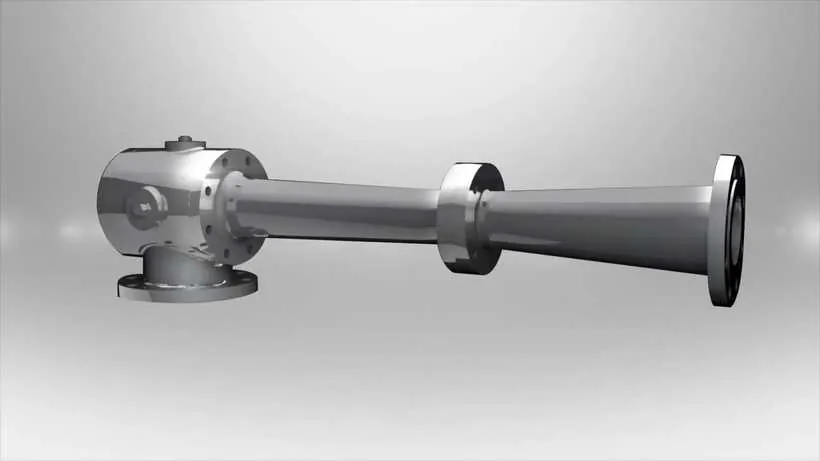
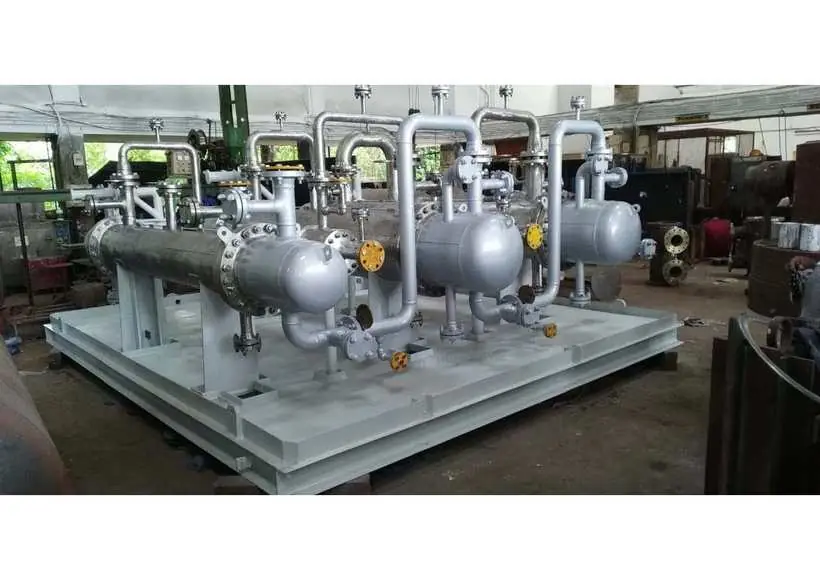
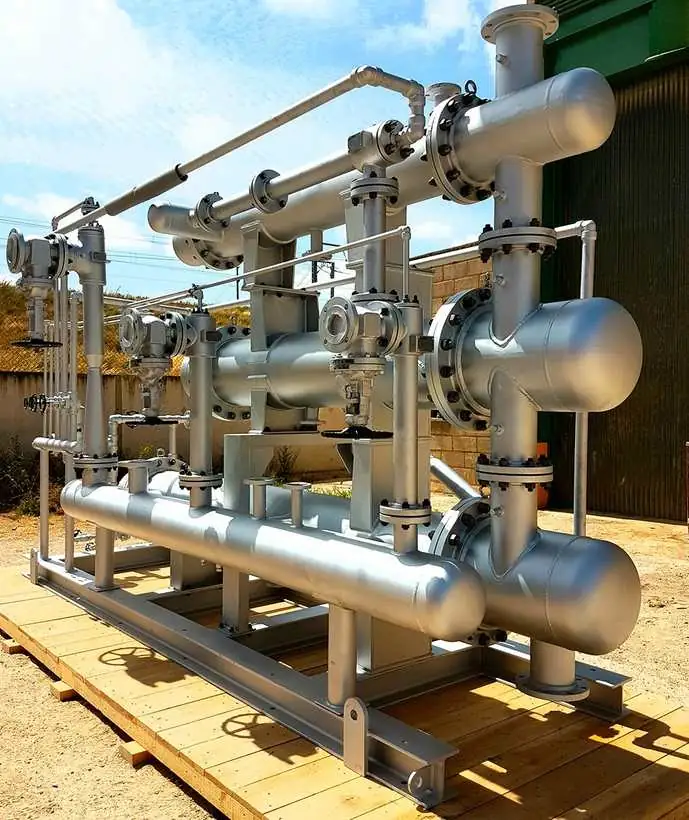
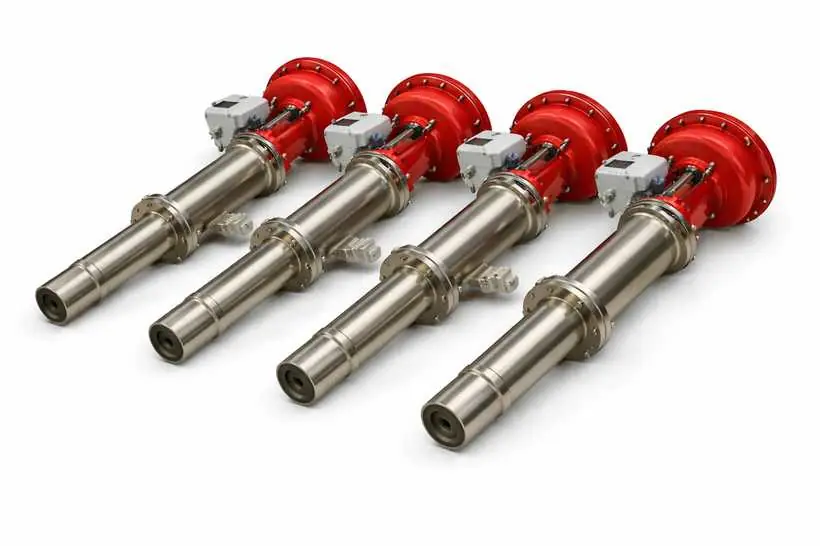
Precision-engineered steam jet ejectors for vacuum ranges from 400 down to 0.5 Torr. Single to four-stage configurations with inter-condensers.
Direct Steam Injection
Skid Mounted DSI Heating Systems
Pre-assembled, PLC-controlled direct steam injection packages delivering near-100% thermal efficiency with instantaneous temperature rise.
Steam Jet Ejectors
Single to Four Stage Vacuum Solutions
From 400 Torr single-stage units to ultra-high vacuum four-stage systems — sized and engineered for your exact process conditions.
Direct Steam Injection
Tank Mounted DSI Injectors
Steam spargers and tank injectors for rapid, uniform in-tank heating. Food, dairy, pharmaceutical, chemical, and petrochemical applications.
20+
Years Experience
10+
Export Countries
0.5
Torr Min Vacuum
ISO
9001:2015 Certified
Primetech is a leading steam ejector manufacturer and supplier based in Chennai, India. We design and manufacture single stage steam jet ejectors, two stage steam jet ejectors, three stage steam jet ejectors, four stage steam jet ejectors, and multistage steam ejector vacuum systems with inter-condensers. Our steam jet vacuum systems are used in vacuum distillation, vacuum drying, condenser air extraction, and degassing operations. We also manufacture direct steam injection (DSI) systems including skid mounted DSI heaters and tank mounted DSI systems for food processing, dairy, pharmaceutical, chemical, and petrochemical applications. Our jet cookers are used for starch cooking in pulp and paper and food industries. Air ejectors including priming ejectors and ventilation ejectors are also supplied. Gas jet ejectors and venturi ejectors for gas transfer and vacuum generation complete our product range. All products are ISO 9001:2015 certified and supplied to clients across India, UAE, Argentina and other countries. Contact us at sales@primetechejectors.com for steam ejector sizing, direct steam injection system design and industrial vacuum system solutions.
A steam jet ejector uses the energy of high-pressure motive steam to entrain and compress gases or vapours from a process system — no moving parts, no mechanical wear, and capable of handling corrosive, condensable, and particulate-laden fluids.
No Moving Parts
Zero wear
Vacuum Range
0.5–400 Torr
Stages Available
1 to 4+
Industries Served
10+ Sectors
Chemical Processing
Petroleum Refineries
Power Plants
Pharmaceutical
Food & Beverage
Edible Oil Refining
Pulp & Paper
Marine & Offshore
Water Treatment
Metal Refining
Our Products
Engineered for Every Vacuum Requirement
Steam Jet Ejector
Single Stage (Z-Stage)
100 – 400 Torr
Simple, dependable vacuum generation for condenser air extraction, degassing, and pump priming.
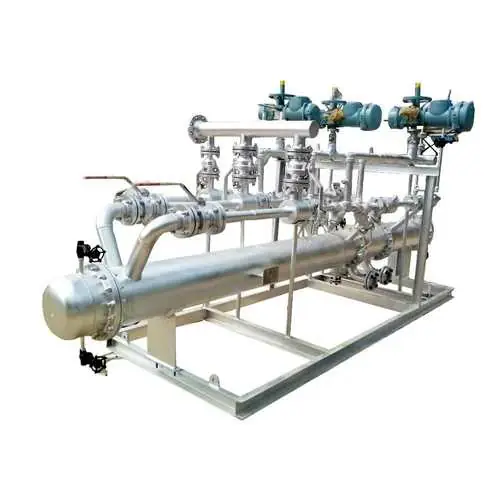
Steam Jet Ejector
Two Stage (YZ-Stage)
25 – 300 Torr
With optional inter-condenser for improved steam economy. Ideal for power plant condensers and vacuum distillation.
Steam Jet Ejector
Three Stage
5 – 15 Torr
For pharmaceutical drying, edible oil deodorization, and advanced chemical processing requiring deep vacuum.
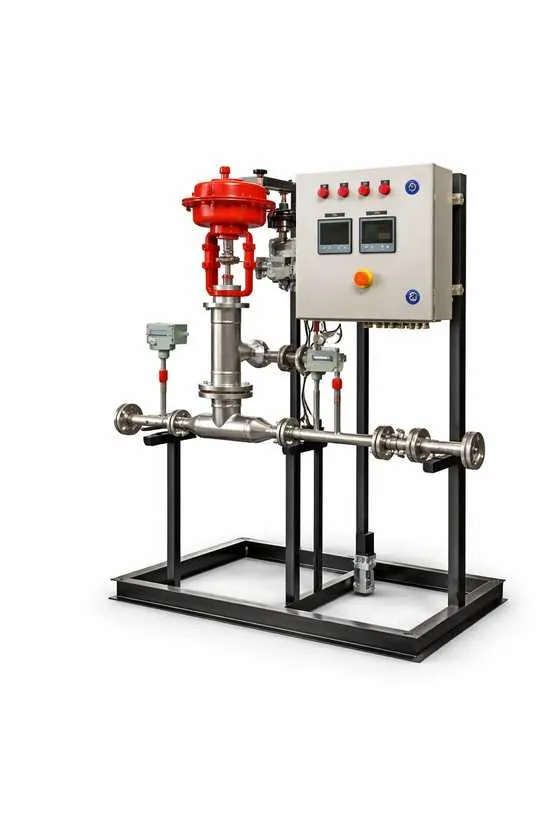
Direct Steam Injection
Skid Mounted DSI System
Instantaneous Heating
Pre-assembled heating package with PLC, RTDs, and pneumatic controls for rapid, efficient heating of process fluids.
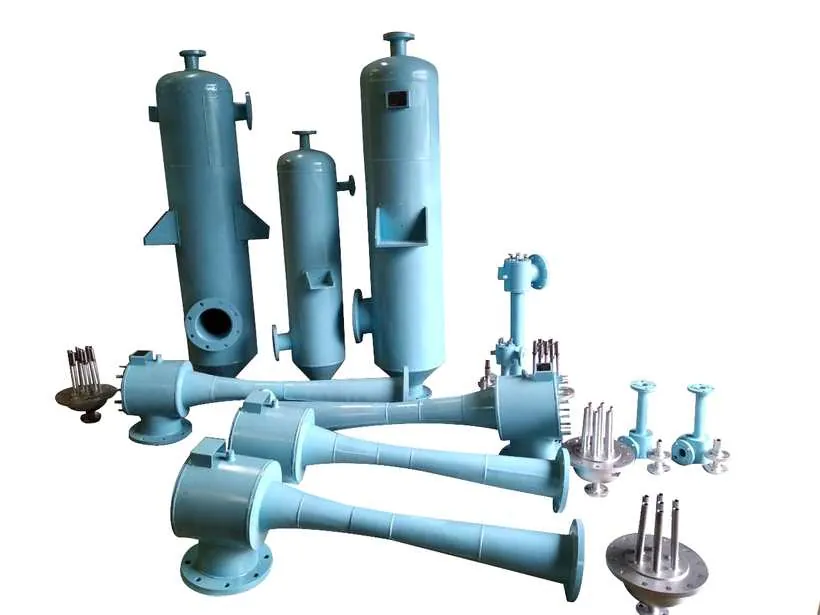
Steam Jet Ejector Manufacturer — Primetech, Chennai, India
Single Stage Steam Jet Ejector (Z-Stage)
Primetech manufactures single stage steam jet ejectors for vacuum ranges of 100 to 400 Torr absolute. The Z-stage ejector uses high-pressure motive steam through a convergent-divergent nozzle to entrain and compress suction gases. Applications include condenser air extraction in power plants, degassing of boiler feed water, priming of centrifugal pumps and general vacuum generation in chemical plants. No moving parts ensure 100% uptime in continuous industrial service. Available in carbon steel, stainless steel 304, stainless steel 316 and special alloys for corrosive gas service.
Two Stage Steam Jet Ejector (YZ-Stage)
Two stage steam jet ejectors with inter-condenser achieve vacuum of 25 to 300 Torr absolute. The YZ configuration uses a first stage Y-ejector to produce initial vacuum, with the steam and gas mixture then condensed in an inter-condenser before the Z-stage final ejector. This reduces steam consumption and vapour load on the second stage. Widely used in power plant condensers as holding ejectors, vacuum distillation units in petroleum refineries and chemical plants, evaporation systems in food and sugar industries, and pharmaceutical vacuum drying.
Three Stage Steam Jet Ejector
Three stage steam jet ejector systems with two inter-condensers achieve vacuum of 5 to 15 Torr absolute. The three stage configuration is required when deeper vacuum is needed than achievable with two stages. Applications include vacuum distillation columns in refineries and chemical plants, vacuum drying in pharmaceutical and specialty chemical manufacture, edible oil deodorisation, and advanced chemical processing requiring deep vacuum. Inter-condensers between stages remove condensable vapours to reduce steam consumption and improve efficiency.
Four Stage Steam Jet Ejector
Four stage steam jet ejector systems achieve maximum vacuum of approximately 0.5 Torr absolute — the deepest vacuum achievable with steam ejectors. Required for ultra-high vacuum applications including lube oil vacuum distillation, freeze drying in pharmaceutical plants, and specialty chemical production. Three inter-condensers between stages progressively reduce the vapour load on each subsequent stage, minimising total motive steam consumption. Primetech designs four stage systems to HEI Standards and customer specifications.
Steam Plus Water Jet Ejector Systems
Hybrid steam plus water ejector systems combine steam ejector stages with a final water jet ejector stage to achieve vacuum of 5 to 150 Torr while reducing total steam consumption. Available in two stage (Y-steam plus Z-water) and three stage (X+Y-steam plus Z-water) configurations. Used in vacuum distillation, edible oil refining, pharmaceutical drying, evaporation and crystallisation. The water jet final stage removes residual vapour load, improving overall system efficiency.
Steam Jet Ejectors
Industrial Vacuum Systems
Single to four-stage steam ejector configurations, with optional inter-condensers, engineered for vacuum ranges from 400 Torr down to 0.5 Torr absolute.
Primetech Ejectors
How a Steam Jet Ejector Works
A steam jet ejector uses the principle of energy conversion to create vacuum. High-pressure motive steam enters through the steam chest and accelerates to high velocity through a precisely designed convergent-divergent nozzle, creating a low-pressure zone in the suction chamber.
This low-pressure zone draws in the process gas or vapour. The entrained mixture then enters the diffuser, where velocity energy is progressively converted back into pressure, raising the mixture to discharge pressure.
Key advantages:
No moving parts — zero mechanical wear, minimal maintenance
Handles corrosive, condensable, and particle-laden gases
Simple construction from a wide range of materials
Suitable for continuous, uninterrupted service
Scalable — stages can be added in series for deeper vacuum
Multi-effect Evaporators, Condensable Vapour Removal, Power Plants
Pharmaceutical Processing, Edible Oil Deodorization, Advanced Chemical
Specialty Chemical Production, High-Efficiency Distillation, Advanced Vacuum Drying
Inter-condenser
Not applicable
Optional / Recommended
Recommended
Required for efficiency
Steam Consumption
Lowest
Moderate
Higher
Highest
Z-Stage Ejector
Single Stage Steam Jet Ejector
⬥ Vacuum: 100 – 400 Torr
A single-stage ejector uses one ejector unit that generates vacuum by using high-velocity motive steam to entrain and remove gases or vapours from a system. When discharging to atmosphere, it achieves suction pressures of approximately 100–400 Torr.
Its simple design, dependable operation, and ability to handle corrosive or contaminated gases make it widely applicable in industrial processes where moderate vacuum is sufficient.
Applications
Condenser air extraction — removes non-condensables from steam condensers in power plants
Degassing operations — removes dissolved gases from boiler feed water
Priming of centrifugal pumps by removing air from suction lines
YZ-Stage Ejector
Two Stage Steam Jet Ejector
⬥ Vacuum: 25 – 300 Torr
Two ejectors in series: the first stage produces an initial vacuum (60–300 Torr), while the second stage reduces it further to approximately 25–100 Torr. An optional inter-condenser between stages condenses first-stage steam, reducing the vapour load and improving efficiency while lowering steam consumption.
Available with or without inter-condenser (Y+Z), depending on operating conditions and steam economy requirements.
Applications
Power plant condensers — maintaining vacuum and removing non-condensables
Vacuum distillation units — chemical and petroleum refineries
Evaporation systems — food, sugar, and chemical industries
Pharma drying units — vacuum drying where steam economy is important
3-Stage Ejector
Three Stage Steam Jet Ejector
⬥ Vacuum: 5 – 15 Torr
Three ejector units connected in series progressively reduce pressure, enabling the system to handle larger gas loads while achieving lower absolute pressures. Inter-stage condensers reduce vapour load between stages, decreasing steam consumption and enhancing overall efficiency.
This configuration is especially beneficial when processing condensable vapours, as encountered in distillation and evaporation operations.
Applications
Vacuum distillation — petroleum refineries and chemical plants
Vacuum drying — pharmaceutical, chemical, and specialty materials
Chemical processing — reactors requiring very low-pressure conditions
4-Stage Ejector
Four Stage Steam Jet Ejector
⬥ Vacuum: ~0.5 Torr absolute
Designed for applications requiring extremely low pressures not achievable with fewer stages. Four units in series progressively reduce pressure while efficiently removing large volumes of gases and vapours, making it suitable for the most demanding industrial operations.
Inter-stage condensers remove condensable components between stages, reducing energy consumption and improving efficiency. Suitable for high-vacuum processes such as vacuum distillation, evaporation, and specialty chemical processing.
Applications
Vacuum distillation — petroleum refineries and chemical plants
Power plant condenser systems — extracting non-condensables at very low pressure
Vacuum drying — pharmaceutical, chemical, and specialty material production
Chemical processing — reactors needing extremely low-pressure conditions
Four-stage systems can be supplied with or without inter-condensers depending on process requirements, gas composition, and desired steam economy. Our engineering team sizes each system based on the specific suction load, motive steam pressure, and discharge conditions.
Steam + Water System
Steam + Water Jet Ejector Systems
⬥ Vacuum: 5 – 150 Torr
Hybrid systems combining steam ejectors with a water jet ejector as the final stage. The water jet reduces the overall vapour load and enhances vacuum performance while decreasing steam consumption.
2-Stage: Y-Stage Steam + Z-Stage Water
Steam first stage produces initial vacuum. The water ejector final stage removes remaining vapour, reducing system load. Suction pressure below 150 Torr, reaching approximately 15 Torr under suitable conditions.
3-Stage: X & Y Steam + Z-Stage Water
For deeper vacuum requirements. Can achieve 5–15 Torr. The additional steam stage extends the vacuum range significantly before handing off to the water ejector.
Applications
Vacuum distillation in petroleum refineries
Chemical and petrochemical processing
Edible oil refining and deodorization
Power plant condenser air removal
Pharmaceutical and food processing industries
Evaporation, drying, and crystallization
Direct Steam Injection System Manufacturer — Primetech, Chennai
Skid Mounted Direct Steam Injection (DSI) System
Primetech manufactures skid-mounted direct steam injection systems for industrial process heating. The DSI system injects steam directly into the process fluid, achieving near-100% thermal efficiency through direct contact heat transfer — eliminating heat exchanger fouling and inefficiency. Each skid includes a DSI heater, PLC control panel, RTD temperature sensors upstream and downstream, pneumatic control valve on steam line, pressure switch, air filter regulator and all interconnecting pipework. Applications include milk pasteurisation, juice heating, brine heating, process water heating, starch cooking, sludge heating and chemical reactor feed preheating. Industries served: food and beverage, dairy, pharmaceutical, chemical, petrochemical, fertiliser, textile, pulp and paper, water treatment and power utilities.
Tank Mounted Direct Steam Injection System
Tank-mounted direct steam injection systems use steam spargers or injectors installed on or into tank walls to heat stored liquids. Steam condenses directly in the liquid, releasing latent heat rapidly and promoting uniform mixing. Eliminates the limitations of internal coil or jacket heating. Used for heating heavy fuel oil, bitumen, molasses, brine, caustic, chemical solutions and process fluids in storage tanks. Primetech tank-mounted DSI systems have been supplied to sugar mills, paper mills, refineries, chemical plants and utilities across India and internationally.
Jet Cooker for Starch Processing
Primetech jet cookers use direct steam injection to cook and gelatinise starch slurries in the pulp and paper industry, food processing, and pharmaceutical starch manufacture. High-pressure steam is injected directly into the starch slurry stream, raising temperature from 25-40 degrees Celsius to 95-140 degrees Celsius in milliseconds for complete gelatinisation. The turbulent mixing ensures uniform cooking without hot surface contact, eliminating fouling. Available with PLC temperature control, RTD feedback and modulating steam valves. Capacity range from 500 kg/hr to 65,000 kg/hr steam throughput. Proven references include Kothari Fermentation, Vijay Anand Kraft Papers and Kuantum Papers.
Direct Steam Injection
DSI Systems & Jet Cookers
Instantaneous, high-efficiency heating by direct steam contact — eliminating heat exchanger inefficiencies. Available as skid-mounted packages, tank-mounted systems, and jet cookers.
What is DSI?
Direct Steam Injection Heating
⬥ Near 100% Thermal Efficiency
Direct Steam Injection (DSI) is a highly efficient industrial heating method in which steam is injected directly into a liquid or process fluid. Unlike indirect heating, direct contact between steam and product allows instantaneous heat transfer, resulting in precise temperature control and uniform heating with minimal energy loss.
DSI systems are favoured over traditional shell-and-tube or plate heat exchangers in applications requiring rapid temperature rise, compact footprint, and precise control.
Near 100% thermal efficiency — all steam energy transferred to fluid
Instantaneous temperature rise — no slow warm-up
No fouling surfaces — steam contacts fluid directly
Precise PLC-based temperature control
Suitable for viscous, shear-sensitive, and particulate fluids
Skid Mounted System
Product
Skid Mounted DSI System
A compact, pre-assembled package designed to heat liquids efficiently by injecting steam directly into the process flow. The skid integrates all instrumentation and control into a single deliverable unit.
DSI Heater
Primary component that injects steam directly into the fluid stream for precise, rapid heating and efficient energy transfer.
PLC Control
Programmable logic controller automates operation with real-time monitoring of temperature, steam flow, and safety interlocks.
RTDs (Before & After)
Resistance temperature detectors upstream and downstream of the injector for accurate temperature feedback and control.
Pressure Switch
Senses steam supply pressure and triggers alarms or shutdowns if steam moves outside safe operating limits.
Air Filter Regulator
Ensures clean, regulated instrument air to pneumatic devices, enhancing reliability of actuators and control valves.
Pneumatic On/Off Valve
Pneumatically actuated steam control valve enabling precise steam delivery based on PLC signals.
Tank Mounted System
Tank Mounted DSI System
Steam injectors or steam spargers are installed on or into the tank wall, distributing steam directly into the liquid volume. As steam condenses upon contact with the cooler liquid, it releases latent heat — providing very fast, uniform heating with high thermal efficiency and minimal energy loss.
The condensation of steam promotes effective mixing and reduces temperature gradients within the tank, making it superior to coil or jacket heating for large storage or process tanks.
Common Applications
Food & Beverage — milk, juice, and beverage heating
Dairy — milk pasteurization
Pharmaceutical — process water, batch reactor heating
Chemical — process fluid heating
Oil & Gas — tank and pipeline heating
Textile — dye bath heating
Water & Wastewater Treatment
Jet Cooker
Jet Cooker
A jet cooker using a DSI system is an advanced process unit designed to convert raw starch slurry (including cationic starch) into fully cooked, ready-to-use starch. High-pressure steam injected directly into the slurry ensures rapid heating and gelatinization with minimal energy consumption.
~100% Thermal Transfer
Direct injection maximises steam economy vs indirect methods.
Uniform Product Quality
High turbulence guarantees homogeneous cooking — consistent viscosity and solubility.
Reduced Fouling
High-velocity mixing prevents starch deposition on heat surfaces.
PLC Controlled
Steam pressure, slurry flow, and retention time finely tuned for desired cooking degree.
Applications
Food & Beverage — gelatinization
Pulp & Paper — starch and pulp cooking
Water & Wastewater — sludge heating
Pharmaceutical — thermal treatment of bio-based materials
Starch & Sweetener Industry — corn, wheat, and tapioca starch processing
Air Ejector and Gas Ejector Manufacturer — Primetech, Chennai
Priming Air Ejectors
Primetech priming air ejectors use compressed air as the motive fluid to evacuate air from centrifugal pump suction lines and casings, enabling reliable self-priming before pump start. Used extensively in power plants for condensate and boiler feed pump priming, chemical plants, water treatment facilities and marine applications. The ejector creates a low-pressure zone in the suction line, allowing liquid to rise and fill the pump casing. Automatic pressure-switch cutout stops the ejector once the pump is fully primed and develops discharge pressure. Available in carbon steel, stainless steel and bronze for various service conditions.
Ventilation Ejectors and Air Movers
Ventilation ejectors and air movers use compressed air to create airflow in confined spaces, tanks, vessels, engine rooms and underground enclosures where fans cannot be installed. Used in shipboard machinery spaces, industrial tanks and vessels during inspection and maintenance, and process areas requiring supplementary ventilation. Primetech ventilation ejectors require only a compressed air supply and have no rotating parts, making them intrinsically safe for use in hazardous area classification zones. Available in mild steel, stainless steel and flame-proof aluminium construction.
Gas Jet Ejectors
Gas jet ejectors use high-pressure process gas or nitrogen as the motive fluid to compress, transfer or evacuate lower-pressure gas streams without mechanical or rotating parts. Applications include vacuum generation in chemical plants, flash gas recovery in oil and gas processing, gas recirculation in fertiliser plants and ammonia synthesis loops, and gas mixing in process pipelines. Primetech designs gas ejectors to API 560 and customer specifications in carbon steel, stainless steel and alloy construction to handle corrosive, flammable and toxic gas streams safely.
Air & Gas Ejectors
Compressed Air Driven Systems
Simple, reliable ejectors driven by compressed air or process gas — for priming, ventilation, vacuum generation, and gas transfer without mechanical moving parts.
Air Jet Ejectors
Compressed Air Ejectors
Air jet ejectors use a high-velocity stream of compressed air to move or remove another fluid — typically air or gas — from a system. High-velocity air through a narrow nozzle creates a low-pressure region that draws in surrounding fluid. The mixed streams exit through a diffuser, creating suction without any moving mechanical parts.
Commonly used in vacuum systems, ventilation, and industrial processes because they are simple in design, reliable, and require very little maintenance.
Priming Ejector
Priming air ejectors evacuate air and non-condensable gases from a pump's suction line and casing before startup. Compressed air creates a low-pressure zone, drawing air out of the suction piping and allowing liquid to fill in — ensuring the pump is fully charged with fluid before it starts.
Especially useful with centrifugal pumps installed above the liquid level or where manual priming would be impractical. Once sufficient liquid fills the pump and discharge pressure develops, pressure switches automatically shut off the ejector, completing the priming cycle.
Applications
Power plants — condensate and boiler feed pump priming
Chemical & petrochemical industries
Water and wastewater treatment
Industrial process applications
Marine and offshore applications
Ventilation Ejector / Air Mover
A ventilation air ejector improves air circulation by using compressed air to extract unwanted air from enclosed areas. When compressed air flows through a narrow nozzle, it produces a suction effect that pulls in surrounding air from the space that needs ventilation. The combined airflow is released through an outlet duct.
Commonly used in industrial environments, engine rooms, and confined spaces where proper airflow is difficult to achieve without conventional fans.
Applications
Confined spaces — tanks, vessels, silos, and underground enclosures
Engine rooms and machinery spaces — extracting heat, fumes, and exhaust
Industrial ventilation — factories and process areas
Gas Jet Ejectors
Gas Jet Ejectors
A gas jet ejector uses the energy of a high-pressure gas stream (motive fluid) to entrain and transport a lower-pressure gas to a higher pressure — without any mechanical or rotating parts. Also known as jet pumps, eductors, or Venturi ejectors.
Application
Vacuum Generation
Application
Gas Transfer & Compression
Application
Air / Gas Removal
Application
Power Plant Use
Primetech Ejectors Track Record — Client References and Project Deliveries
Primetech has supplied steam jet ejectors and direct steam injection systems to clients across India, UAE and Argentina since 2005. Key clients include TGV SRAAC Limited, DCM Shriram Fertilizers and Chemicals (multiple orders), Tamil Nadu Petroproducts Limited (multiple orders), Shorou International UAE, Multiline Technical Co LLC UAE, Quantum Consultant Argentina, Kothari Fermentation and Biochem, Vijay Anand Kraft Papers, Kuantum Papers, Pioneer Jellice India, Balamurugan Chemicals, ITC Limited, Sud-Chemie India, Tamilnadu Petroproducts and Shree Ambika Sugars. Industries served include fertiliser manufacturing, petrochemical, petroleum refining, paper and pulp, food processing, fermentation, chemical, water treatment and power generation. All products are manufactured and tested at the SIPCOT Gummidipoondi facility in Chennai.
Track Record
Steam Ejector Deliveries
A selection of steam jet ejector projects executed for clients across India, the UAE, and Argentina — across chemical, fertilizer, petrochemical, and industrial sectors.
Clients
10+
Export Countries
India, UAE, Argentina
Year Range
2016 – 2025
S. No.
Client Name
Location
Year of Execution
1
TGV SRAAC Limited
🇮🇳 India
2025
2
DCM Shriram Fertilizers and Chemicals
🇮🇳 India
2025
3
Shorou International
🇦🇪 UAE
2023
4
DCM Shriram Fertilizers and Chemicals
🇮🇳 India
2023
5
Tamil Nadu Petroproducts Limited
🇮🇳 India
2022
6
Quantum Consultant
🇦🇷 Argentina
2020
7
Tamil Nadu Petroproducts Limited
🇮🇳 India
2019
8
Multiline Technical CO LLC
🇦🇪 UAE
2017
9
Tamil Nadu Petroproducts Limited
🇮🇳 India
2016
10
Multiline Technical CO LLC
🇦🇪 UAE
2016
Direct Steam Injection Systems
DSI Reference List
Delivered direct steam injection heaters across sugar, petrochemical, chemical, paper, food processing and fermentation industries.
S. No.
Client
Location
Motive Fluid
Temp Rise
Steam Conditions
Year
1
Shree Ambika Sugars Limited
🇮🇳 Cuddalore, TN
10% Brine · 27 m³/hr
20 → 80 °C
1.3 Bar, Sat.
2010–11
2
Tamil Nadu Petroproducts Limited
🇮🇳 Manali, TN
Water · 12,400 kg/hr
30 → 80 °C
6 Bar, Sat.
2009–10
3
Ducto Tennant LLC
🇦🇪 Dubai, UAE
Water · 3,500 kg/hr
30 → 70–90 °C
1.96–2.45 Bar, Sat.
2009–10
4
Sud-Chemie India Pvt Ltd
🇮🇳 Vadodara, GJ
Water · 1,450 kg/hr
10 → 80 °C
1 Bar, Sat.
2016–17
5
Balamurugan Chemicals Pvt Ltd
🇮🇳 Tuticorin, TN
Water · 3,934 kg/hr
20 → 80 °C
3 Bar, Sat.
2016–17
6
ITC Limited
🇮🇳 India
Steam · 250 kg/hr
35 → 55–60 °C
4.5 kg/cm²g, Sat.
2017–18
7
Kothari Fermentation & Biochem Ltd
🇮🇳 India
Molasses Slurry · 35,000 kg/hr
25 → 90 °C
—
2019–20
8
Vijay Anand Kraft Papers Pvt Ltd
🇮🇳 India
Slurry · 65,000 kg/hr
35 → 55 °C
—
2019–20
9
Kuantum Papers Ltd
🇮🇳 Punjab
Water · 100 m³/hr
—
3.3 Bar, Sat. · 3,200 kg/hr
2020–21
10
Pioneer Jellice India Pvt Ltd
🇮🇳 India
Gelatin Liquid · 500 kg/hr
50–55 → 145 °C
7 kg/cm²g, Sat.
2020–21
Performance Certificates
Client Testimonials
Issued by clients confirming satisfactory installation and operation of Primetech DSI systems.
About Primetech — Steam Ejector and DSI System Manufacturer, Chennai, India
Primetech is an ISO 9001:2015 certified manufacturer and supplier of steam jet ejectors, direct steam injection systems, air ejectors, gas ejectors and jet cookers, established in 2005 and headquartered in Chennai, Tamil Nadu, India. The company designs, manufactures, tests and supplies ejectors and DSI systems for industrial vacuum, process heating and gas compression applications across the chemical, petroleum refining, pharmaceutical, food processing, power, fertiliser, marine and pulp and paper industries. Primetech operates a Research and Development facility at K-32B, SIPCOT Industrial Complex, Gummidipoondi, Chennai, Tamil Nadu 601201, India. Contact: sales@primetechejectors.com. Telephone: +91 44 2616 0866, +91 98400 88220, +91 97896 35755. Website: primetechejectors.com.
About Primetech
ISO 9001:2015 Certified Ejector Specialists
Established in 2005 in Chennai, India — designing and supplying steam ejectors and direct steam injection systems for demanding industrial applications worldwide.
ISO 9001 : 2015 Certified
Quality Management System
Primetech, established in 2005 and headquartered in Chennai, is an ISO 9001:2015-certified company specializing in the design and supply of steam ejectors and direct steam injection systems. The company is dedicated to delivering reliable and efficient solutions for a wide range of industrial vacuum and process applications.
In addition to steam-based technologies, Primetech also provides air systems, including priming and ventilation solutions, engineered to meet diverse operational requirements. All products are developed with a strong emphasis on performance, reliability, and application-specific engineering.
Primetech serves several industries including marine, oil and gas, pulp and paper, food processing, metal refining, and chemicals — offering customized systems supported by technical expertise and quality-focused processes.
Registered Office
# 861A, 2nd Floor, J-Block 15th Street, 13th Main Road Annanagar West, Chennai – 600 040 Tamil Nadu, India
Our dedicated R&D facility at Gummidipoondi supports continuous innovation in steam ejector design, testing, and optimization. The team evaluates key performance parameters — pressure, temperature, flow rate, and vacuum levels — ensuring consistent product quality and operational efficiency before delivery.
Get in Touch
Technical Enquiry
Submit your process requirements and our engineering team will size the appropriate ejector or DSI system for your application.
General Enquiry
✅
Enquiry Sent!
Thank you. Our engineering team will respond within 1–2 working days.
Our team will respond within 1–2 working days with a technical response or clarification questions.
Direct Steam Injection Applications — Industries and Process Applications
Direct steam injection (DSI) systems manufactured by Primetech are used across a wide range of process industries for efficient, controllable liquid heating. The key advantage of DSI over indirect heating methods is near-100% thermal efficiency — all steam energy is transferred directly to the process fluid without heat exchanger losses or fouling. The following industries and applications use Primetech DSI systems.
Pulp and Paper Industry DSI Applications
In the pulp and paper industry, direct steam injection is used for starch jet cooking — gelatinising cationic and native starch slurries at capacities from 500 kg/hr to 65,000 kg/hr. DSI is also used for white water heating on paper machines, broke pulp slurry heating, and process water temperature control. Jet cookers eliminate fouling of heat exchanger surfaces by cooked starch and provide uniform gelatinisation for consistent retention and strength properties.
Pharmaceutical Industry DSI Applications
In pharmaceutical manufacturing, DSI heaters in 316L stainless steel with electropolished internals are used to heat Water for Injection (WFI) and purified water to hot storage loop temperatures of 80-85 degrees Celsius for microbial control. DSI is also used for batch reactor temperature control, syrup and liquid formulation heating, and CIP water pre-heating. cGMP compliant design with no dead legs and self-draining construction.
Chemical and Petrochemical DSI Applications
Chemical plants use direct steam injection for reactor feed preheating, brine and caustic solution heating, pipeline heating and tank farm temperature maintenance. DSI eliminates tube fouling in heat exchangers handling reactive or viscous feedstocks. High-capacity systems up to 35,000 kg/hr steam throughput have been supplied for molasses slurry heating and chemical conditioning applications.
Food and Beverage DSI Applications
Food and beverage applications include UHT pasteurisation of milk at 135-150 degrees Celsius, juice pasteurisation, gelatin liquid heating, sauce heating and beverage temperature control. DSI provides instantaneous heat transfer, minimal thermal damage to food products, and easy CIP cleaning. Pioneer Jellice India uses Primetech DSI for gelatin liquid heating from 50-55 degrees Celsius to 145 degrees Celsius.
Sugar and Distillery DSI Applications
Sugar mills use DSI for cane juice heating before clarification, eliminating scale build-up in conventional multi-pass juice heaters. Distilleries use DSI for molasses slurry heating, fermentation temperature control and yeast cultivation. High-capacity molasses heating up to 65,000 kg/hr steam throughput demonstrated at Kothari Fermentation and Vijay Anand Kraft Papers.
Water and Wastewater Treatment DSI Applications
Water treatment and wastewater plants use DSI for anaerobic digester sludge heating at mesophilic (35-37 degrees Celsius) and thermophilic (52-55 degrees Celsius) temperatures, industrial effluent pre-treatment, and process water heating. DSI handles fibrous sludge without heat exchanger blockage and provides in-situ pasteurisation during thermophilic AD operation.
Direct Steam Injection
DSI Applications by Industry
Direct steam injection systems deliver near-100% thermal efficiency across a wide range of heating and process applications. Select an industry below for a detailed application guide.
Direct steam injection for starch cooking, white water heating and pulp slurry conditioning
Jet Cooker — Cationic Starch Cooking
Starch is a critical functional chemical in paper making — used as a wet-end additive and surface size. Raw starch slurry (typically 3–8% concentration) must be fully cooked and gelatinised before use. A Primetech jet cooker injects high-pressure steam directly into the starch slurry stream, raising the temperature from 25–40°C to 95–140°C within milliseconds. The turbulent mixing ensures complete and uniform gelatinisation, eliminating raw starch granules that would otherwise cause retention problems on the paper machine.
Unlike jacketed heat exchangers, the jet cooker has no fouling surfaces. The starch does not deposit on hot walls, reducing cleaning downtime and improving availability. Steam usage is near-100% efficient since all latent heat is transferred directly to the slurry.
Slurry Inlet
25–40 °C
Outlet Temp
95–140 °C
Steam Pressure
3–7 kg/cm²g
Capacity Range
500–65,000 kg/hr
No fouling surfacesNear-100% thermal efficiencyUniform gelatinisationReduced cleaning downtimePLC temperature control
White Water & Process Water Heating
Paper machine white water (recovered from the wire and press sections) needs to be maintained at process temperature — typically 50–65°C — for efficient drainage and formation. DSI heaters inject low-pressure steam into the recirculating white water loop, providing rapid and controllable temperature recovery. The system responds quickly to load changes caused by grade changes or machine speed variations, maintaining stable headbox temperature within ±0.5°C.
Inlet Temp
30–40 °C
Outlet Temp
50–65 °C
Steam Pressure
1–4 Bar g
Flow Rates
50–500 m³/hr
±0.5°C temperature controlFast response to grade changesNo heat exchanger foulingHandles fibrous media
Broke & Pulp Slurry Heating
Broke pulp (recovered paper rejects) is re-pulped and reintroduced into the furnish. The slurry needs to be heated to maintain process consistency and prevent drainage problems. DSI systems tolerate fibrous, abrasive slurries without erosion issues. The open-jet design avoids plug formation, which is a common failure mode with shell-and-tube exchangers handling high-consistency pulp.
Clean and hygienic steam injection for WFI heating, bioreactor control and process solutions
Water for Injection (WFI) & Purified Water Heating
Pharmaceutical manufacturing requires WFI and purified water at controlled temperatures for equipment cleaning, formulation and final rinse operations. DSI heaters constructed in pharmaceutical-grade 316L stainless steel with electropolished internals and FDA-compliant elastomers provide the required hygienic standard. The system heats stored WFI from ambient to 80–85°C for hot storage loops (which prevent microbial growth) or to process temperature as required. The absence of dead legs, low internal volume and self-draining design comply with cGMP requirements.
Application
WFI, PW heating
Outlet Temp
80–85 °C
MOC
316L SS, EP finish
Standard
cGMP compliant
316L electropolishedNo dead legscGMP compliantSelf-draining design
Batch Reactor & Vessel Temperature Control
Pharmaceutical batch reactors require precise temperature ramp-up from ambient to reaction temperature — often 60–90°C — within a defined time window. DSI systems provide rapid, controllable heat input to the batch using PLC-controlled modulating valves. Unlike jacket steam heating, DSI can be applied inline in the recirculation loop, giving faster response and tighter temperature uniformity across large vessels. The system is validated for repeatability, an important requirement for batch record compliance in regulated manufacturing.
Precise ±1°C batch controlFaster heat-up vs jacketValidated for repeatabilityPLC controlled
Syrup & Liquid Formulation Heating
Liquid oral formulations — syrups, suspensions, solutions — are prepared at elevated temperatures to improve solubility and reduce viscosity for pumping and filling. DSI heaters deliver the required heat directly to the formulation during recirculation without exposing active pharmaceutical ingredients (APIs) to localised hot surfaces, which can cause degradation. The short residence time at peak temperature minimises thermal exposure.
No local hot spotsShort thermal exposureAPI stability protection
⚗️
Chemical & Petrochemical — DSI Applications
High-capacity process fluid heating, reactor conditioning and tank farm temperature management
Reactor Feed Preheating
Many exothermic and endothermic chemical reactions require feed streams to enter the reactor at a minimum temperature for catalyst activation and conversion efficiency. DSI heaters are installed on feed pipelines to raise the stream temperature quickly from ambient or tank storage temperature to the required inlet temperature — often 60–120°C. The high thermal efficiency of direct steam contact minimises steam consumption compared to shell-and-tube preheaters, which are prone to fouling with reactive or viscous feed stocks.
Feed Temp Rise
20°C to 80–120°C
Steam Pressure
3–10 kg/cm²g
Advantage
No tube fouling
No fouling on heat surfacesLower steam consumptionHandles reactive feedstocksRapid response
Brine & Caustic Solution Heating
Chlor-alkali plants use brine (saturated sodium chloride solution) as the primary electrolyte. Brine temperature must be controlled precisely before the electrolytic cells to optimise current efficiency and membrane life. Primetech DSI heaters in titanium or Hastelloy construction are used for brine service, where the highly corrosive medium rules out carbon steel or standard stainless. A Primetech system at Shree Ambika Sugars demonstrates this capability — heating 10% brine at 27 m³/hour from 20°C to 80°C using 1.3 Bar saturated steam.
Medium
10% Brine
Flow Rate
27 m³/hr
Temp Rise
20 → 80 °C
Steam
1.3 Bar, Sat.
Corrosion-resistant MOCProven in chlor-alkali serviceTight temperature control
Tank Farm & Storage Tank Heating
Heavy chemicals, fuel oils and viscous process fluids held in storage tanks must be maintained above their pour point or minimum process temperature to allow pumping. DSI spargers or inline heaters are installed on tank recirculation lines, circulating and heating the fluid continuously. Compared to internal coil heaters, DSI systems avoid hot-wall effects that accelerate degradation of temperature-sensitive chemicals, and are far easier to clean and maintain.
No internal coil maintenanceUniform tank temperaturePrevents viscosity build-up
🥛
Food & Beverage / Dairy — DSI Applications
UHT pasteurisation, milk and juice heating and hygienic process temperature control
UHT Pasteurisation — Milk & Dairy
Ultra-high temperature (UHT) sterilisation requires heating milk to 135–150°C for 2–4 seconds to achieve commercial sterility. Direct steam injection is the preferred method for UHT dairy processing because it provides instantaneous, uniform heating with minimal thermal damage to the product. The milk is injected into a chamber of pressurised steam, heated to UHT temperature in fractions of a second, and then flash-cooled by vacuum to remove the added steam condensate. The result is a product with superior flavour, colour and nutritional profile compared to indirect UHT heating through heat exchangers.
Process
UHT Sterilisation
Temp
135–150 °C
Hold Time
2–4 seconds
Advantage
Minimal thermal damage
Instantaneous heatingBetter product flavourHigher nutritional retentionFood-grade construction
Juice & Beverage Pasteurisation
Fruit juices, soft drinks and flavoured waters require heat treatment to eliminate pathogens and extend shelf life without degrading flavour compounds. DSI heaters bring the product to pasteurisation temperature (72–95°C) rapidly, hold for the required time, and then allow it to be cooled inline. The short hold time at elevated temperature preserves volatile flavour compounds far better than plate heat exchangers with longer heat-up profiles. Primetech DSI systems have been successfully applied in juice and beverage heating for major food companies.
Gelatin (from collagen hydrolysis) and other protein solutions require precise temperature control during processing to manage viscosity and gel strength. Overheating causes irreversible protein denaturation; underheating prevents proper gelatin formation. Primetech DSI systems for Pioneer Jellice India have demonstrated this capability — heating gelatin liquid from 50–55°C to 145°C using 7 kg/cm²g saturated steam at 500 kg/hr capacity — pushing the temperature right to the limit required for sterilisation of collagen-derived products.
Medium
Gelatin liquid
Temp Range
50–55 → 145 °C
Steam
7 kg/cm²g, Sat.
Precise protein temperature controlHigh steam pressure capabilityProven reference delivery
🌾
Sugar & Distillery — DSI Applications
Juice heating, molasses conditioning and fermentation temperature control
Cane Juice & Sugar Liquor Heating
In sugar mills, extracted cane juice must be heated to 70–75°C before clarification to precipitate impurities and improve filtration efficiency. DSI heaters replace or supplement multi-pass juice heaters (shell-and-tube), which are notorious for scaling and fouling. DSI systems provide the required temperature rise in a single pass, eliminate scale build-up (since juice does not contact a hot surface), and allow continuous operation without the periodic acid-cleaning downtime associated with conventional juice heaters.
Process
Juice clarification pre-heat
Inlet Temp
30–40 °C
Outlet Temp
70–75 °C
No scaling or foulingNo acid cleaning downtimeHigher mill availabilityContinuous operation
Molasses Slurry Heating
Molasses is a highly viscous, dense by-product used in fermentation and animal feed. It must be heated to reduce viscosity for pumping and mixing. Primetech DSI systems have been proven in molasses service at very high capacities — the Kothari Fermentation & Biochem delivery heated molasses slurry at 35 m³/hour from 25°C to 90°C, and Vijay Anand Kraft Papers required 65 m³/hour capacity for slurry heating from 35°C to 55°C. The DSI system's ability to handle extremely viscous and abrasive media without internal fouling makes it the preferred choice over coil or plate-type heaters.
Medium
Molasses slurry
Max Capacity
65 m³/hr
Temp Range
25 → 90 °C
Handles high-viscosity mediaNo fouling in molasses serviceProven delivery references
Fermentation Temperature Control
Fermenters used in ethanol production and yeast cultivation require tight temperature control — typically 28–35°C for yeast fermentation — to maximise yield and minimise by-product formation. DSI systems are used on fermenter recirculation loops to provide controlled heat addition when the fermentation temperature drops below setpoint. The PLC-controlled system modulates steam flow to maintain temperature within narrow bands across large fermenter volumes.
Tight temperature bandsPLC modulationMaximises fermentation yield
💧
Water & Wastewater — DSI Applications
Anaerobic digester heating, sludge conditioning and industrial effluent pre-treatment
Anaerobic Digester Sludge Heating
Anaerobic digestion (AD) of sewage sludge and industrial effluent requires the digester contents to be maintained at either mesophilic (35–37°C) or thermophilic (52–55°C) temperatures to maximise biogas production. DSI systems on the sludge recirculation loop provide highly efficient heat input with no heat exchanger to block from fibrous sludge or grit. The direct contact also pasteurises the sludge during thermophilic operation, meeting regulatory requirements for biosolids disposal. Capacity requirements for AD plants are large — typically 50–200 m³/hr — and DSI systems can be supplied in multiple parallel units to meet demand.
Process
AD digester heating
Mesophilic
35–37 °C
Thermophilic
52–55 °C
Flow Range
50–200 m³/hr
No heat exchanger blockageHandles fibrous sludgeIn-situ pasteurisationMaximises biogas yield
Industrial Effluent Pre-treatment
Many industrial effluents — from textile dyeing, pharmaceutical manufacturing and food processing — contain organic compounds that require thermal pre-treatment before biological treatment to break complex molecules and improve biodegradability. DSI heaters are used to heat effluent streams to 70–90°C before holding tanks or activated sludge plants. The ability to handle coloured, viscous or particulate-laden streams without fouling makes DSI far more practical than plate or shell-and-tube pre-heaters for effluent service.
Handles particulate effluentNo fouling in serviceImproves biodegradability
🧵
Textile — DSI Applications
Dye bath heating, fabric conditioning and sizing process temperature control
Dye Bath Heating
Textile dyeing requires the dye liquor to be brought to and maintained at the dyeing temperature — typically 60–130°C depending on the dye class and fibre type — within a tight time-temperature profile. Reactive dyes on cotton require temperatures of 60–80°C, while disperse dyes on polyester require 130°C. DSI heaters on the dye bath recirculation circuit provide rapid temperature ramp-up, controllable at ±1°C. Unlike steam coils immersed in the dye bath, DSI systems avoid local overheating that causes dye precipitation on hot coil surfaces, which ruins batch consistency and causes unlevel dyeing.
Cotton / Reactive
60–80 °C
Polyester / Disperse
Up to 130 °C
Control
±1°C
No dye precipitation on coilsLevel dyeing resultsRapid ramp-upReduced batch failures
Sizing & Desizing
Warp yarn sizing applies a protective starch or synthetic size to yarns before weaving. The size must be cooked and applied at elevated temperature (70–95°C). Primetech jet cookers are used to cook the starch size before application. After weaving, desizing removes the size using hot water or enzymatic treatment — again requiring precise temperature control. DSI systems provide the controlled heat required for both operations.
Crude oil heating, heavy fuel viscosity reduction and pipeline conditioning
Heavy Fuel Oil & Crude Heating
Heavy fuel oil, bitumen and crude oil blends have very high viscosity at ambient temperature, making them impossible to pump without heating. Storage tanks and transfer pipelines require the oil to be maintained above 60–90°C for fuel oil or 90–120°C for bitumen and heavy crude. Tank-mounted DSI spargers provide uniform, efficient heating of the full tank volume by circulating steam through the oil. Unlike electric immersion heaters or steam coils, DSI spargers have no hot surfaces that can cause coking or fouling of heavy hydrocarbons.
HFO Minimum Temp
60–90 °C
Bitumen Temp
90–120 °C
Advantage
No coking on surfaces
No coking or foulingUniform tank temperatureReduced pumping energyNo maintenance on heaters
Pipeline Viscosity Conditioning
Long-distance pipelines carrying heavy crude or fuel oil experience temperature drop due to ground cooling, raising viscosity and pumping energy. Inline DSI heaters at intermediate pump stations reheat the fluid to maintain target viscosity throughout the pipeline. The inline system adds minimal pressure drop and requires no special infrastructure beyond a steam supply and the DSI unit itself.
Steam Ejector Applications — Industries and Vacuum Process Applications
Steam jet ejectors manufactured by Primetech are used across process industries for vacuum generation, condenser air extraction, gas compression and gas removal. Their advantages — no moving parts, ability to handle condensable vapours and corrosive gases, and low maintenance cost — make them the preferred choice for demanding industrial vacuum applications.
Petroleum Refinery Ejector Applications
Petroleum refineries use three and four stage steam jet ejector systems for vacuum distillation unit (VDU) overhead vacuum systems. Operating at 10-30 mmHg absolute at the column top, the ejector system handles large volumes of non-condensable gases, light hydrocarbons and steam from the vacuum distillation column overhead. Lube oil refining VDUs require deeper vacuum of 2-15 mmHg for lube oil fractions to prevent thermal cracking. Primetech designs VDU ejector systems to HEI Standards with custom inter-condenser sizing.
Chemical and Petrochemical Ejector Applications
Chemical plants use steam ejectors for vacuum reactor systems in polymerisation, esterification and polycondensation reactions. Steam ejectors handle condensable monomer vapours and solvents without damage — an advantage over mechanical vacuum pumps. Tamil Nadu Petroproducts Limited (TNPL), a repeat customer, relies on Primetech ejectors for PVC reactor vacuum systems. Two and three stage ejectors are used for solvent recovery columns handling MEK, acetone, DMF and other solvents.
Pharmaceutical Ejector Applications
Pharmaceutical manufacturers use two and three stage steam ejectors for vacuum tray dryer and rotary dryer systems, maintaining 5-50 Torr absolute for API drying at 40-60 degrees Celsius to protect thermally sensitive active pharmaceutical ingredients and meet ICH Q3C residual solvent limits. Four stage ejectors are used for freeze dryer (lyophiliser) vacuum systems at 0.5-2.0 Torr absolute for injectable biologic sterile drug products.
Edible Oil Refinery Ejector Applications
Edible oil refineries use three and four stage steam jet ejectors for deodorisation column vacuum systems. Operating at 2-6 Torr absolute at 230-260 degrees Celsius, the deodoriser strips free fatty acids, off-flavours and colour pigments from vegetable oils including sunflower, palm, soya and rapeseed. Primetech ejectors handle the large specific-volume gas loads at deodoriser operating conditions and are available in alloy construction resistant to fatty acid attack.
Power Plant Ejector Applications
Power plants use two stage steam jet ejectors with inter-condensers as holding ejectors for continuous condenser air extraction, maintaining design condenser vacuum of 38-53 Torr absolute. Single stage hogging ejectors pull down condenser pressure from atmospheric during plant start-up in 15-30 minutes. Primetech holding and hogging ejectors comply with HEI Standards for Steam Surface Condensers and have been supplied to thermal power plants in India and internationally.
Fertiliser Plant Ejector Applications
Fertiliser plants use three and four stage steam ejectors for urea plant vacuum evaporation systems, maintaining 2-5 Torr absolute for final urea melt concentration to 99.7 percent. Gas jet ejectors using synthesis gas or nitrogen motive are used in ammonia plant synthesis loops. DCM Shriram Fertilizers is a repeat customer for Primetech steam ejectors in fertiliser plant service.
Marine and Offshore Ejector Applications
Marine applications for ejectors include bilge ejectors, ballast ejectors, cargo pump priming ejectors and fresh water generator vacuum ejectors. Primetech marine ejectors are supplied to class society standards including Lloyd's Register, DNV, Bureau Veritas and ABS, in stainless steel, naval brass and bronze construction for seawater service. Available as compact flanged units for direct installation on ship pipework systems.
Steam Jet Ejectors
Ejector Applications by Industry
Steam jet ejectors provide reliable, maintenance-free vacuum for distillation, drying, condensate extraction and gas removal across the process industries. Select an industry below for a detailed application guide.
Vacuum distillation systems for crude residue, lube oil and specialty fractions
Vacuum Distillation Column (VDU) Overhead System
The vacuum distillation unit (VDU) is the heart of deep crude processing in a petroleum refinery. Atmospheric residue from the crude distillation unit (CDU) is fed to the VDU, where reduced pressure (typically 10–30 mmHg absolute at the column top) allows the heavy fractions — vacuum gasoil, vacuum residue and waxy distillate — to be separated at temperatures well below their thermal cracking threshold. Without vacuum, these heavy fractions would crack before distilling, yielding coke rather than valuable products.
The overhead vacuum system typically consists of a 3–4 stage steam jet ejector train with inter-condensers, designed to handle large volumes of non-condensable gases, light hydrocarbons and steam from the column overhead. Primetech designs these systems to the specific column loading, with each stage sized for the composition and quantity of gas at that stage inlet. Inter-condenser duty is calculated to remove condensable vapours between stages, reducing the load on subsequent ejector stages and minimising total motive steam consumption.
Column Top Pressure
10–30 mmHg abs
Typical Configuration
3–4 Stage + IC
Gas Composition
NCG + HC + Steam
Design Standard
HEI Standards
No moving parts — 100% uptimeHandles mixed gas/vapour loadsHEI-compliant designTolerate corrosive HC vapoursCS/SS/Alloy construction available
Lube Oil Vacuum Distillation
Lube oil base stock production requires vacuum distillation of vacuum gasoil at very deep vacuum — typically 2–15 mmHg absolute — to separate spindle oil, light machine oil, heavy machine oil and bright stock cuts without thermal degradation. The high molecular weight of lube oil fractions means that even small amounts of cracking produce colour bodies and reduce viscosity index, which destroys product value. Primetech 3–4 stage ejector systems maintain the deep vacuum required to keep column temperatures below the cracking threshold of 380°C.
Operating Vacuum
2–15 mmHg abs
Column Temp Limit
<380 °C
Products
SN150, SN500, BS
Deep vacuum to 2 mmHgPrevents thermal crackingPreserves viscosity index
⚗️
Chemical & Petrochemical — Ejector Applications
Vacuum reactors, solvent recovery and process gas compression
Vacuum Reactor Systems
Many chemical reactions — polymerisation, esterification, polycondensation — are conducted under vacuum to shift equilibrium towards the desired product, remove volatile by-products (water, alcohol) as they form, and lower the boiling point of the reaction mixture for better temperature control. Steam ejector systems maintain the required vacuum continuously throughout the reaction cycle. Unlike mechanical vacuum pumps, ejectors do not have seals, lubricants or rotating parts that can be attacked by the corrosive vapours and monomers present in reactor offgas.
A key advantage of steam ejectors in polymerisation service is their ability to handle condensable vapours (monomer vapours, solvents) without damage — vapours that would condense and damage a mechanical vacuum pump. Tamil Nadu Petroproducts Limited, a major PVC manufacturer and repeat customer, relies on Primetech ejectors for their reactor vacuum systems.
Vacuum Range
25–200 Torr
Gas Handling
Monomer + NCG
Material
CS / SS / PTFE-lined
Handles condensable vapoursNo seals or lubricants to attackCorrosion-resistant MOC optionsProven in PVC/PET service
Solvent Recovery & Distillation
Recovery and purification of solvents such as MEK, acetone, toluene, DMF and DMSO from process streams uses vacuum distillation to separate azeotropes and reduce distillation temperatures, preventing degradation of heat-sensitive solvents. Two and three-stage ejector systems provide the moderate vacuum (50–200 Torr) typically required for solvent recovery columns, handling the mixed solvent vapour/NCG overhead load efficiently.
Handles mixed solvent vapours2–3 stage for moderate vacuumLow maintenance cost
💊
Pharmaceutical — Ejector Applications
Vacuum drying of APIs, solvent removal and sterile manufacturing vacuum systems
Vacuum Tray & Rotary Dryer Systems
Active pharmaceutical ingredients (APIs) and intermediates are dried under vacuum to remove residual solvents from wet cake or granules, meeting ICH Q3C limits for residual solvents. Steam ejectors maintain vacuum in the dryer at 5–50 Torr absolute, which lowers the boiling point of the solvent to allow drying at low temperatures (typically 40–60°C) without degrading thermally sensitive API molecules. A 2–3 stage ejector system handles the solvent vapour load combined with air in-leakage through the dryer shell and door seals.
Operating Vacuum
5–50 Torr abs
Drying Temp
40–60 °C
Gas Load
Solvent + air in-leakage
Configuration
2–3 Stage
Protects thermally sensitive APIsMeets ICH Q3C limitsHandles mixed solvent loadsNo rotating parts in gas stream
Freeze Dryer (Lyophiliser) Vacuum Systems
Freeze drying (lyophilisation) of injectables and biologics operates at very deep vacuum — typically 0.5–2.0 Torr — during the primary drying phase to sublimate ice directly. Steam ejector systems (4-stage) are used to evacuate the freeze dryer chamber initially and maintain working vacuum throughout the drying cycle. The ejector handles water vapour from sublimation combined with air and refrigerant in-leakage, tolerating the highly humid gas stream that would ice up mechanical pumps.
Primary Drying
0.5–2.0 Torr
Process
Sublimation of ice
Configuration
4-Stage
Ultra-deep vacuum to 0.5 TorrHandles humid gas streamNo icing-up issues
🫒
Edible Oil Refining — Ejector Applications
Deodorisation of vegetable oils and fatty acid distillation
Deodorisation Column Vacuum System
Deodorisation is the final refining step for vegetable oils — sunflower, palm, soya, rapeseed — that removes free fatty acids, off-flavours (aldehydes, ketones) and colour pigments by steam stripping under deep vacuum. Operating at 2–6 Torr absolute at 230–260°C, the deodoriser strips volatile flavour compounds with direct steam, which are then condensed and collected. The vacuum system must handle large quantities of stripped vapours combined with the stripping steam, all at very low pressure.
Primetech 3–4 stage steam ejector systems with inter-condensers are specifically designed for deodoriser service, handling the high specific volume gas loads at the suction stage and providing the deep vacuum required for efficient fatty acid removal. The fatty acid condensate is a valuable by-product used in soap and oleochemical manufacture.
Operating Pressure
2–6 Torr abs
Column Temp
230–260 °C
Gas Load
FFA + steam
Configuration
3–4 Stage + IC
Deep vacuum 2–6 TorrHandles FFA-laden vapoursHigh gas-load capabilityRecovers FFA by-productAlloy construction for FFA service
Hydrogenation Plant Vacuum
Edible oil hydrogenation plants use hydrogen at elevated pressure to saturate double bonds, producing hardened fats for margarine and shortening manufacture. The reactor degassing system and hydrogen recovery use steam ejectors to pull dissolved hydrogen from the oil. Single and two-stage ejectors handle the relatively moderate vacuum (100–300 Torr) required for degassing operations, operating continuously without the risk of hydrogen embrittlement that affects mechanical vacuum pump components.
No hydrogen embrittlement riskContinuous degassing operation1–2 stage for moderate vacuum
⚡
Power Plants — Ejector Applications
Condenser vacuum maintenance, hogging and holding ejectors
Condenser Air Extraction — Holding Ejectors
The surface condenser in a steam power plant operates at vacuum (typically 50–70 mbar / 38–53 Torr abs) to maximise the enthalpy drop across the turbine and improve thermal efficiency. Air and non-condensable gases inevitably in-leak through the condenser shell, flanges and expansion joints. If not continuously removed, these gases blanket the condenser tubes and raise the condenser pressure, reducing plant output and efficiency. Two-stage steam ejector air extraction systems (holding ejectors) continuously remove these in-leaked gases, maintaining the design condenser vacuum throughout plant operation.
For every 1 mbar rise in condenser back-pressure, the turbine output reduces by approximately 0.3–0.5 MW. Maintaining tight condenser vacuum with reliable holding ejectors delivers a continuous and measurable power output benefit, making the ejector one of the highest-ROI components in the auxiliary system.
When a power plant starts up from cold, the condenser must be pulled down from atmospheric pressure to operating vacuum (≈50 Torr) as rapidly as possible before turbine rolling. A hogging ejector — typically a large single-stage unit — handles the massive gas load at atmospheric pressure and reduces the condenser pressure to a point where the holding ejectors can take over, typically in 15–30 minutes. Primetech designs hogging ejectors to meet the start-up time required by the plant dispatch specification, switching automatically to holding ejectors once operating vacuum is established.
Duty
Start-up evacuation
From
Atmospheric
To
Holding ejector range
Time
15–30 minutes
Fast pull-down capabilitySized to plant dispatch specAutomatic switchover to holding
🍭
Food Processing — Ejector Applications
Vacuum evaporation, vacuum cooking and freeze drying for food products
Sugar & Dairy Vacuum Evaporation
Multiple-effect vacuum evaporation is the energy-efficient method to concentrate sugar syrup, milk, fruit juice and tomato paste from dilute feedstocks to a thick, concentrated product. Operating at 50–150 Torr in successive effects, evaporation at reduced temperature avoids heat damage, colour development and caramelisation. The steam ejector system removes non-condensable gases (CO₂, air in-leakage) from the condenser serving the last evaporator effect, maintaining the vacuum in the entire evaporator train. Two-stage ejector systems with an inter-condenser handle the gas load efficiently and continuously.
Products
Sugar, milk, juice, paste
Operating Vacuum
50–150 Torr
Configuration
2-Stage with IC
Prevents caramelisationLower evaporation temperatureContinuous operationHandles CO₂ + air in-leakage
Vacuum Cooking & Crystallisation
Pan boiling of sugar, confectionery and pharmaceutical products under vacuum (50–100 Torr) allows crystallisation at controlled temperatures below 80°C, preventing colour development and preserving product quality. The ejector provides and maintains the vacuum in the pan throughout the boiling and crystallisation cycle. Single and two-stage ejectors sized for the specific pan volume and gas load are used, typically mounted directly on the pan or manifolded to serve multiple pans from a single ejector station.
Prevents colour body formationPrecise crystallisation controlServes multiple pans
🌱
Fertiliser — Ejector Applications
Ammonia plant vacuum systems, urea evaporation and prilling tower off-gas
Urea Plant Vacuum Evaporation
Urea solution from the synthesis reactor (approximately 70–75% concentration) is concentrated to 99.7%+ melt by vacuum evaporation through two or three stages. The final evaporation stage operates at 2–5 Torr absolute, requiring a 3–4 stage steam ejector system to maintain the deep vacuum. The gas load contains ammonia, water vapour and CO₂ carryover — all of which are handled by the ejector without damage. DCM Shriram Fertilizers, a repeat customer of Primetech, uses these systems in their urea plants.
Urea Concentration
99.7%+ melt
Final Stage Vacuum
2–5 Torr abs
Gas Load
NH₃ + H₂O + CO₂
Handles NH₃/CO₂ gas mixtureDeep vacuum for final evaporationProven fertiliser plant references
Ammonia Plant Gas Ejectors
Gas jet ejectors using high-pressure synthesis gas or nitrogen as motive fluid are used in ammonia plants for gas recirculation, mixing and compression duties in the synthesis loop. They handle pressurised gas streams at elevated temperatures and pressures, providing a simple and reliable alternative to reciprocating compressors for small-scale gas moving duties. Primetech designs gas ejectors to API 560 and customer specifications for ammonia plant service.
No moving parts in gas streamHandles high-pressure synthesis gasAPI 560 compliant design
⚓
Marine & Offshore — Ejector Applications
Pump priming, bilge / ballast / cargo systems and fresh water generators
Bilge, Ballast & Cargo Pump Priming
Marine centrifugal pumps handling bilge water, ballast water and liquid cargo are installed below the waterline and must be primed before starting. Air ejectors (compressed air driven) are used as priming ejectors to evacuate the pump suction line and casing, allowing the pump to self-prime reliably before start. A pressure switch on the pump discharge automatically cuts out the ejector when full flow is established. Primetech manufactures a complete range of marine ejectors to class society standards (Lloyd's, DNV, Bureau Veritas) for newbuilding and retrofit.
Service
Bilge / Ballast / Cargo
Motive Fluid
Compressed air / Sea water
Standards
LR, DNV, BV, ABS
Class society approved designStainless or bronze constructionAuto-cutout on full flowSeawater-resistant materials
Fresh Water Generator Vacuum
Shipboard fresh water generators (FWGs) produce potable water by flash evaporation of sea water under vacuum (typically 60–90 Torr), using waste heat from the main engine jacket water. Steam ejectors — or more commonly, sea water jet ejectors using high-pressure sea water as motive fluid — maintain the vacuum in the FWG evaporator and condenser. Primetech sea water jet ejectors in seawater-resistant materials (naval brass, Duplex SS) are proven in FWG service across multiple vessel classes.
Sea water motive capabilityNaval brass or Duplex SSHandles flash vapour loads